

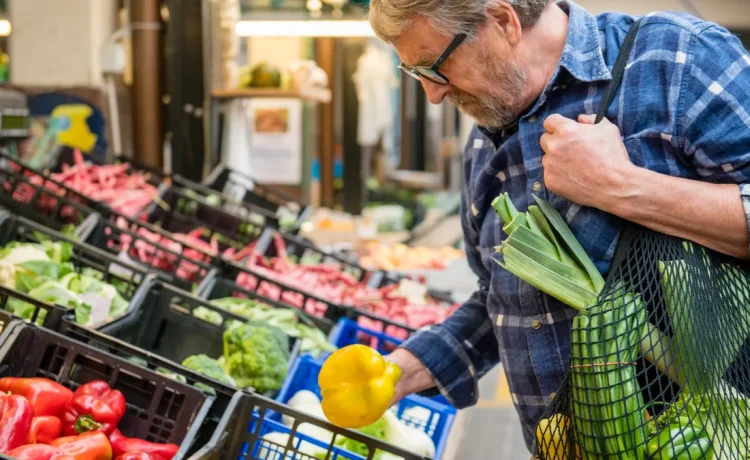
Many discussions about environmental responsibility focus on large-scale initiatives such as renewable energy, clean transportation, or waste reduction programs. While these efforts are important, everyday purchasing decisions also have a significant impact. The products consumers place in their grocery carts influence agricultural practices, resource consumption, packaging waste, and transportation demands across the global food system.
Understanding the environmental effects of food production can help consumers make more informed choices without dramatically changing their lifestyles. Small adjustments made consistently over time can contribute to meaningful environmental benefits.
The Resource Demands of Food Production
Producing food requires substantial amounts of land, water, and energy. Agricultural operations occupy a significant portion of the world’s usable land and consume vast quantities of freshwater to support crops and livestock. As demand for food continues to grow, these resource requirements place increasing pressure on natural ecosystems.
The environmental impact extends beyond resource use alone. Expanding agricultural activity can contribute to habitat loss, soil degradation, and water pollution. Fertilizers and other agricultural inputs may enter waterways, affecting aquatic ecosystems and contributing to environmental challenges such as algae blooms and reduced oxygen levels in lakes, rivers, and coastal areas.
Agriculture also represents a notable source of greenhouse gas emissions, making food production an important part of broader sustainability discussions.
The Environmental Differences Between Food Choices
Not all foods require the same level of resources to produce. Factors such as land use, feed requirements, water consumption, and production methods can create significant differences in environmental impact.
Animal-based products generally require more resources than many plant-based alternatives. Beef production, for example, is associated with relatively high greenhouse gas emissions due to the resources needed to raise cattle. Other products such as cheese and poultry also require substantial inputs, though typically less than beef. Foods such as milk, seafood, grains, legumes, fruits, and vegetables often have a lower environmental footprint by comparison.
This does not mean consumers must eliminate certain foods entirely. Even modest shifts toward incorporating more plant-based meals throughout the week can help reduce overall environmental impact while maintaining dietary flexibility.
Looking Beyond the Food Itself
Sustainability considerations do not end with food production. Packaging plays a major role in determining a product’s overall environmental footprint. Single-use materials are widely used throughout the food industry to preserve freshness, improve convenience, and support transportation. However, these materials often contribute significantly to municipal waste streams.
Large volumes of food-related packaging end up in landfills each year, where many materials can persist for long periods before breaking down. While recycling programs help divert some waste, a significant portion of packaging is never recycled or composted.
As a result, many consumers are paying closer attention to packaging choices, favoring products that utilize recyclable, reusable, or reduced-material packaging whenever practical.
Practical Steps Toward More Sustainable Shopping
Creating a more sustainable shopping routine does not require major lifestyle changes. Many environmentally conscious habits are simple to adopt and can become part of everyday decision-making.
Examples include bringing reusable shopping bags, purchasing only the food likely to be consumed, choosing seasonal produce when available, and combining errands to reduce transportation-related emissions. Supporting businesses that prioritize responsible sourcing and sustainable packaging can also encourage broader industry improvements.
Retailers contribute to these efforts as well. Through supplier selection, packaging initiatives, and waste-reduction programs, businesses can help improve sustainability throughout the food supply chain.
Making Small Choices With Long-Term Impact
Every food purchase reflects a series of decisions that affect resource use, production methods, and waste generation. While no individual shopping trip will solve environmental challenges, collective choices made by consumers and businesses can influence how food systems evolve over time.
Sustainability is often less about perfection and more about awareness. By understanding the environmental impact of food production and packaging, consumers can make thoughtful choices that support both their personal needs and broader environmental goals. In many cases, meaningful change begins with simple decisions made during routine trips to the grocery store.
For more on this, check out the infographic below from Green Rabbit, a cold chain logistics services company.