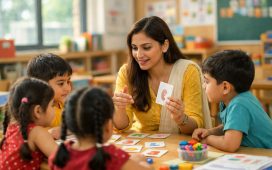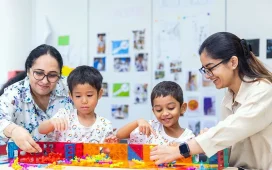

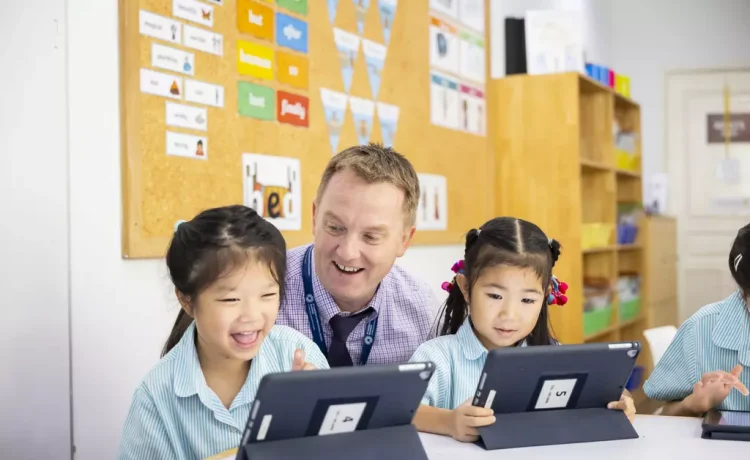
The early years of formal education shape far more than reading, writing, and number skills. They influence confidence, curiosity, communication, and the habits children carry into later school life. For families exploring a high-quality primary school in Thailand, the strongest options tend to offer far more than a classroom and a timetable. They create an environment where children feel challenged, supported, and genuinely engaged in learning.
Why the Primary Years Matter More Than Many Parents Realise
Primary education is often discussed as preparation for secondary school, but that only tells part of the story. These years are when children begin to form their relationship with learning itself. A child who feels encouraged to ask questions, try again after mistakes, and take pride in their progress is developing qualities that stay relevant long after any single lesson is forgotten.
This stage also affects how children see themselves socially. They learn how to work with others, listen, contribute, and manage different situations independently. A good primary setting helps children grow academically while also giving them room to become thoughtful, capable young people. That balance matters, especially for families who want their child’s education to feel ambitious without becoming overwhelming.
What Strong Primary Teaching Looks Like Day to Day
Parents often look at curriculum outlines first, which makes sense, but daily teaching quality usually has the biggest impact. Strong primary teaching is structured, clear, and responsive. Children need routines and high expectations, but they also need teachers who notice when something has not clicked and know how to approach it differently.
In practice, this means lessons that build knowledge in logical steps rather than rushing through topics. It means reading being treated as a serious priority, maths being taught with care and consistency, and writing being developed through regular use rather than occasional set pieces. The best classrooms are not simply busy. They are purposeful.
Good teaching at this level also recognises that younger pupils learn through a mix of explanation, guided practice, discussion, and active participation. Children need to think, speak, test ideas, and revisit concepts. When that happens regularly, progress tends to feel steady and secure rather than patchy.
The Value of Breadth Alongside Academic Rigour
A strong primary experience should not become narrow too early. Children benefit from a broad school life that includes science, the arts, physical education, creative projects, and opportunities to present their ideas. These areas are not extras. They help pupils develop confidence, discipline, and a wider understanding of the world around them.
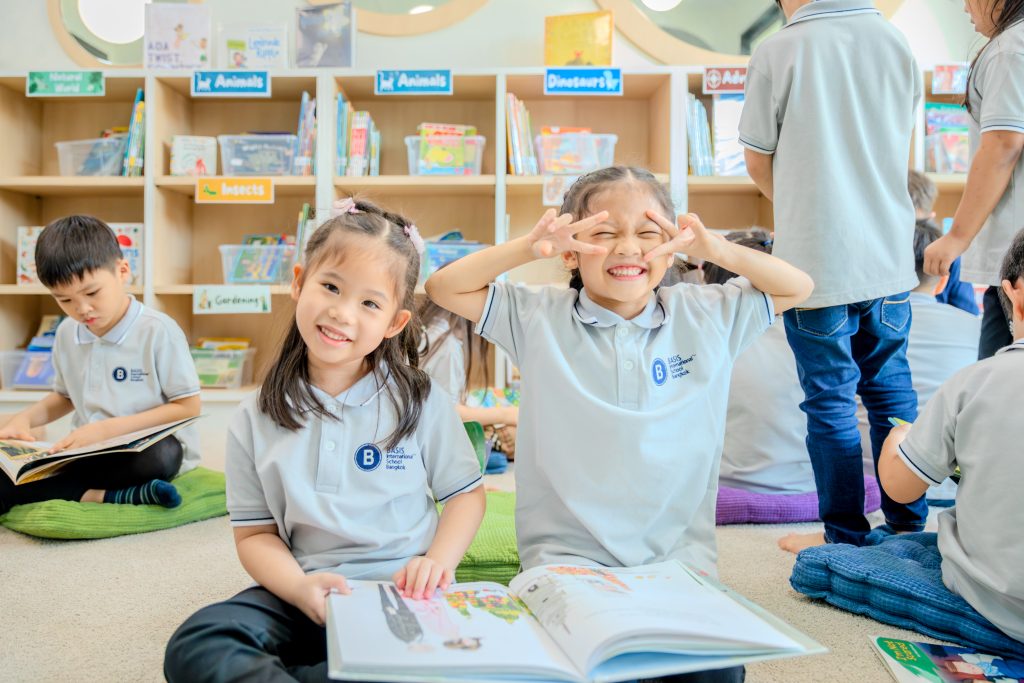
For many families, one of the clearest signs of a good school is whether children are excited to talk about what they have done. That might be a classroom experiment, a book discussion, a music performance, or a group project. Variety keeps younger learners engaged and helps staff notice where individual strengths are beginning to emerge.
This wider experience also supports academic growth. A child who learns to explain a science result clearly or perform in front of others is also building communication skills that strengthen reading, writing, and classroom participation. Primary education works best when these strands support each other rather than sitting in separate boxes.
What Families Should Consider Beyond Facilities
Modern campuses and polished marketing materials can make a strong first impression, but they do not tell the whole story. Parents usually learn more from looking at how a school approaches teaching, behaviour, communication, and pupil development. It is worth paying attention to whether expectations are clear, whether children seem settled, and whether the school can explain how learning is sequenced from one year to the next.
Pastoral care is another important piece. Younger children need to feel secure in order to learn well. Schools that create a calm, well-organised atmosphere often make that visible in small ways, through classroom routines, teacher interaction, and how confidently pupils move through the school day.
It also helps to consider how the school works with families. Clear communication, regular feedback, and a shared understanding of expectations can make a real difference. Primary education is strongest when school and home support each other rather than operating separately.
Choosing a School That Supports Long-Term Growth
The right primary school is not simply the one with the most impressive prospectus. It is the one that gives children the tools to grow steadily, think independently, and enjoy the process of learning. That means looking for substance, consistency, and a genuine commitment to each stage of development.
When families choose carefully at this point, they are not just selecting a place for the next few years. They are setting the tone for everything that follows.