

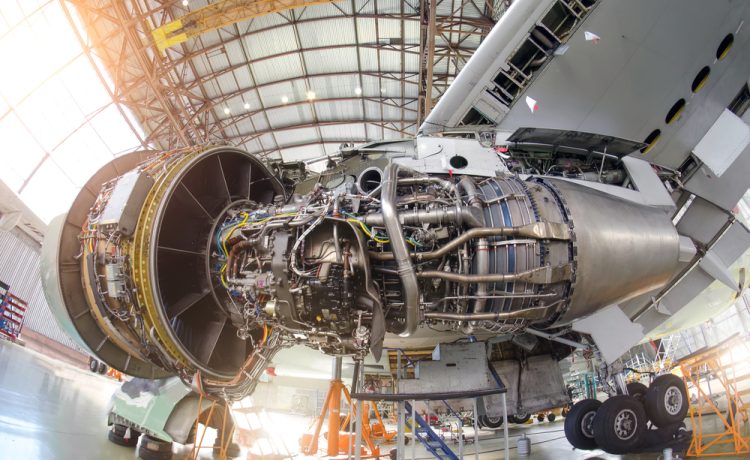
In aerospace and defense, failure carries consequences far beyond component damage. Systems must operate in environments where heat, shock, pressure, and vibration occur simultaneously, often at levels that push materials and design limits. These conditions demand engineering approaches focused not just on survival, but on sustained precision and reliability under continuous stress.
Designing With Mission Demands in Mind
Effective aerospace engineering starts with a clear understanding of the mission. Whether operating at high altitude, in deep-sea environments, or across rapid deployment cycles, systems must be designed with failure impact in mind. This perspective shapes every decision, from material selection to structural design and system integration.
Performance at this level requires more than strengthening individual components. Engineers must consider how multiple stress factors interact. Thermal expansion, dynamic loads, corrosive exposure, and electromagnetic interference all influence performance. Addressing these challenges involves detailed simulation, rigorous testing, and careful coordination between subsystems.
Critical components such as seals, connectors, and actuation systems must perform reliably across a wide range of conditions. They need to maintain integrity during temperature shifts, resist vibration and shock, and function consistently throughout the entire mission profile.
Managing Complexity and Cumulative Stress
Extreme environments introduce compounding effects. Stressors rarely occur in isolation, and their combined impact can accelerate wear and reduce system lifespan. Engineers must account for these interactions, designing systems that manage fatigue, maintain alignment, and support long-term durability.
Lifecycle considerations are equally important. Systems must be designed for repeat use, maintainability, and potential upgrades without compromising performance. This requires a balance between durability and adaptability, ensuring that components remain reliable over time while supporting evolving mission needs.
Precision Under Constraint
Aerospace systems operate within strict limitations on weight, size, and power. Achieving high performance within these constraints requires efficient design rather than excess material. Components must deliver accuracy and strength without adding unnecessary mass or complexity.
This is where specialized aerospace and defense components stand apart. They are engineered specifically for their applications, with materials chosen for stability as well as strength. Structural designs are optimized to manage vibration, resist environmental stress, and maintain performance across repeated use.
Ultimately, engineering for aerospace and defense is about control. It is not only about withstanding extreme conditions, but about delivering consistent, repeatable performance within them. Systems that achieve this balance are the ones that meet the demands of high-consequence environments and support mission success over time. For a deeper look at how engineering enables operational resilience under extreme conditions, view the supporting infographic from Marotta Controls, a provider of tactical control systems.