

Technology has changed the way people approach fitness. Smartwatches, workout apps, heart-rate monitors, digital class schedules, and performance tracking tools now help people understand their workouts better. Anyone searching for the best gym in singapore may also expect a fitness experience that works well with modern technology and smarter training habits.
Technology should not replace effort, coaching, or consistency. But when used well, it can help members stay organized, track progress, and make better decisions about their routines.
Fitness Tracking Makes Progress Visible
One of the biggest benefits of fitness technology is visibility. People often make progress without noticing it. A smartwatch or app can show improvements in active minutes, heart rate, workout frequency, steps, sleep, or calories burned.
This feedback can help members stay motivated. Seeing progress creates a sense of achievement, even before physical changes become obvious.
For many gym-goers, tracking helps turn effort into measurable patterns.
Heart Rate Data Supports Smarter Cardio
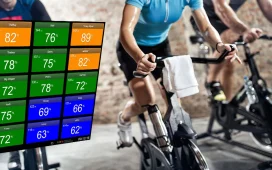
Heart rate tracking is especially useful for cardio workouts and group classes. It helps members understand how hard their body is working.
During cycling, treadmill sessions, trampoline fitness, or high-energy classes, heart rate can show when intensity rises and when recovery begins. This helps people manage effort instead of guessing.
Over time, improved heart rate recovery can become a sign of better fitness.
Apps Help With Consistency
Fitness apps can help members plan and maintain routines. They may track attendance, schedule workouts, record exercises, or remind users to move.
Consistency is one of the most important parts of fitness. Technology can support consistency by making habits visible.
A person who sees their weekly activity pattern may feel more motivated to keep going.
Digital Class Booking Adds Convenience
Modern gym members often want convenience. Digital class schedules and booking systems can make it easier to plan workouts around work, family, and travel.
Instead of calling or guessing availability, members can check class times and plan ahead. This reduces friction and helps them commit to specific sessions.
Convenience is one of the ways technology supports attendance.
Wearables Can Support Recovery
Many smart devices track sleep, resting heart rate, and recovery indicators. While these tools are not perfect, they can help users notice when their body may need rest.
A person who slept poorly or feels unusually fatigued may choose a lighter session instead of pushing too hard. This can help prevent burnout.
Smart training is not always about doing more. Sometimes it is about knowing when to recover.
Strength Training Apps Help With Planning
For people who lift weights, workout logging apps can be useful. They help track exercises, sets, repetitions, and weights. This makes progressive training easier.
Without tracking, people may repeat the same weights for months without realizing it. A simple log can show when it is time to increase resistance or adjust the routine.
This type of tracking helps make strength training more purposeful.
Technology Can Support Personal Training
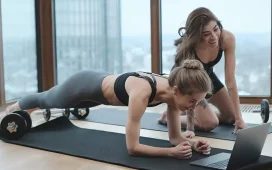
Personal trainers can use technology to track progress, communicate plans, and monitor member goals. Members may also use apps to record workouts between sessions.
This helps create continuity. Training does not exist only during the personal training session. It becomes part of a broader plan.
Technology works best when combined with expert human guidance.
Smart Equipment Can Improve Experience
Some gyms use modern cardio machines or connected equipment that allow users to view performance metrics. These may include speed, distance, watts, resistance, heart rate, or workout history.
These tools can make training more engaging. They also help members compare sessions and set goals.
However, equipment technology is only useful if members know how to use the data practically.
Avoiding Data Overload
Technology can help, but too much data can become distracting. Some people become obsessed with calories, scores, or daily numbers. This can make fitness feel stressful.
The best approach is to use technology as a guide, not a judge. Numbers should support better habits, not create pressure.
Members should still listen to their bodies, enjoy movement, and focus on consistency.
Calories Are Estimates, Not Exact Truth
Many fitness devices estimate calorie burn. These numbers can be useful, but they are not perfectly accurate. They depend on algorithms, heart rate, body size, age, and movement type.
It is better to use calorie data as a rough guide rather than an exact measurement.
For long-term progress, workout consistency, nutrition habits, and recovery matter more than one calorie number.
Technology Helps Compare Workout Types
One useful benefit of tracking is understanding different workouts. A member may notice that cycling raises heart rate differently from strength training. A trampoline class may show more active minutes than expected. A mobility session may feel light but improve recovery.
This helps people build a balanced routine. They can see how different workouts serve different purposes.
A good gym experience should allow members to train in varied ways.
Smart Habits Matter More Than Smart Devices
A person can own the best fitness watch and still make little progress if they do not train consistently. Technology is only helpful when paired with action.
Smart habits include showing up regularly, planning workouts, eating well, sleeping enough, and adjusting intensity when needed.
Devices can support these habits, but they cannot replace them.
The Future of Gym Experience
The modern gym experience is becoming more connected. Members expect convenience, data, class access, training options, and support. Technology can improve all of these areas when used thoughtfully.
But the heart of fitness remains the same. People need movement, effort, guidance, recovery, and consistency.
Technology should make those things easier.
A Smarter Way to Train
Smart fitness technology can help people understand their workouts, track progress, manage recovery, and stay consistent. It adds value when it supports real training rather than distracting from it.
People looking for a gym environment with facilities, classes, and modern training support can explore TFX Singapore as part of a smarter and more structured fitness routine.