
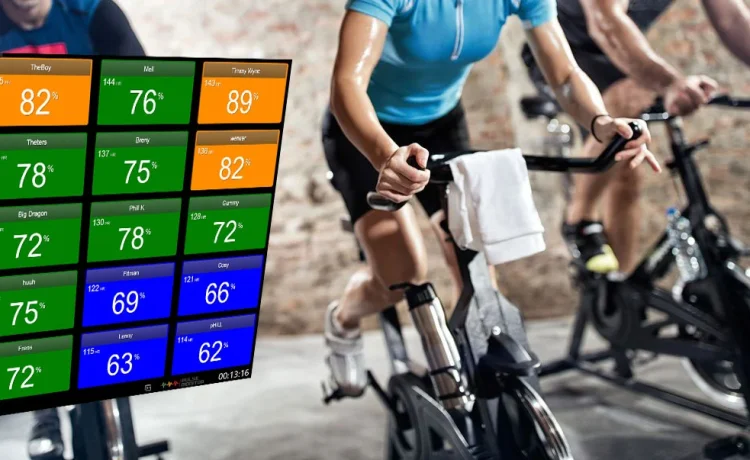
Group fitness has always used energy, music, coaching, and shared effort to motivate people. Now technology is adding another layer: live feedback. Heart-rate metrics can show participants how hard they are working, when to push, when to recover, and whether the session matches the intended intensity. This can make classes feel more interactive and more informed.
For people attending workout classes, heart-rate tracking can help connect effort with awareness. Instead of guessing whether they are training too easy or too hard, participants can use data as one form of feedback. The key is using the numbers wisely. Heart-rate metrics should guide the class, not create pressure or competition that overrides good judgment.
Why Heart Rate Matters in Group Fitness
Heart rate reflects how hard the cardiovascular system is working. During a class, it can rise and fall depending on intensity, movement type, rest periods, heat, hydration, stress, caffeine, and fitness level.
Live heart-rate metrics help participants see effort in real time. This can be useful because perceived effort is not always accurate. Some people think they are pushing hard when they are not. Others push too hard too early and fade before the session ends.
Heart-rate feedback makes effort more visible.
It Helps People Learn Intensity Zones
Many classes include different intensity phases. A warmup should feel different from a peak interval. A recovery period should allow the heart rate to come down. A steady cardio block should feel controlled.
Heart-rate tracking can help participants understand these differences.
Over time, they learn what moderate effort feels like, what high effort feels like, and what recovery should feel like. This improves pacing.
Live Metrics Can Make Classes More Engaging
Seeing real-time data can make a class more interactive. Participants may feel more connected to the session because they can see how their body is responding. This can improve focus.
For people who enjoy measurable progress, heart-rate metrics add motivation. They can see effort levels during class and compare how recovery improves over time.
This can make training feel more purposeful.
Data Can Prevent Overtraining
Heart-rate feedback can also help people avoid pushing too hard. If someone’s heart rate is unusually high during a moderate block, it may be a sign of fatigue, poor sleep, dehydration, stress, or excessive intensity.
Instead of forcing the same pace, the participant can reduce effort.
This is especially useful in high-energy group settings, where people may feel pressure to keep up.
Coaches Can Use Metrics to Guide the Room
Instructors can use heart-rate trends to manage class intensity. If the room is pushing too hard too early, they can adjust pacing. If participants are not reaching the intended effort, they can encourage more intensity.
This helps the class match its purpose.
A well-coached class uses data as a tool, not as a scoreboard.
Heart Rate Is Not the Whole Story
Heart-rate data is useful, but it is not perfect. Many factors influence it. Poor sleep, stress, heat, caffeine, illness, and hydration can all change heart rate. Two people doing the same workout may show different numbers.
This means participants should not compare too aggressively.
A higher or lower number does not automatically mean better effort. Context matters.
Calories Burned Can Be Misleading
Some heart-rate systems estimate calorie burn. This number often attracts attention, but it should not become the main measure of workout quality. Calorie estimates are not exact, and different devices may produce different results.
A class can be valuable even if the calorie number is not high. Strength, mobility, coordination, endurance, and confidence all matter.
Participants should not judge every class by calories burned.
Recovery Rate Is Useful
One helpful metric is how quickly heart rate comes down after effort. Faster recovery can suggest improving fitness over time, though many factors still affect it.
In a class setting, participants may notice that intervals feel more manageable after several weeks. Their breathing may settle faster. They may feel more controlled.
These are meaningful signs of progress.
Heart-Rate Metrics Can Help Beginners Pace Themselves
Beginners often struggle with pacing. They may start too hard because they are excited, then become exhausted quickly. Heart-rate feedback can help them stay within a manageable range.
This makes the class feel less overwhelming.
A beginner who learns pacing is more likely to return.
Advanced Participants Can Use Data for Better Challenge
Experienced participants can also benefit. They may use heart-rate zones to push during intervals, maintain steady effort, or ensure recovery periods are effective.
Data can help them train with more intention.
However, advanced participants should still respect technique, recovery, and overall training load.
Avoid Turning Classes Into Competitions
Live metrics can become unhealthy if participants compare too much. Fitness levels vary. Heart-rate response varies. Age, body size, stress, and medication can affect numbers.
The best use of heart-rate metrics is personal awareness. Participants should focus on their own trends rather than trying to beat others.
A supportive class culture matters.
Pair Metrics With Body Awareness
Technology should not replace body awareness. Participants should still notice breathing, form, fatigue, dizziness, pain, and comfort. If the body feels wrong, the number on the screen should not override that signal.
Good training combines data and self-awareness.
This is where instructor guidance is important.
How Heart-Rate Data Supports Long-Term Progress
Over weeks and months, heart-rate data can show patterns. A participant may complete the same class with better control, recover faster, or maintain higher output with less perceived effort.
These changes can be motivating.
Progress is not always visible in the mirror. Sometimes it appears in performance and recovery.
The Future of Data-Driven Classes
Technology will likely continue shaping group fitness. Heart-rate tracking, wearables, connected equipment, and app-based class records can all make training more personalized. But the human side remains essential.
Music, coaching, movement quality, and class culture still matter.
For those comparing modern class environments, True Fitness Singapore may be relevant when looking for group fitness options where structure, coaching, and technology can support smarter training.
FAQ
Are live heart-rate metrics useful in workout classes?
Yes. They can help participants understand intensity, pacing, and recovery during class.
Should people compare heart-rate numbers with others?
No. Heart-rate response varies between individuals. Personal trends are more useful than comparison.
Are calorie burn estimates accurate?
They are estimates and should not be treated as exact. Workout value should not be judged only by calories burned.
Can heart-rate tracking help beginners?
Yes. It can help beginners pace themselves and avoid pushing too hard too soon.